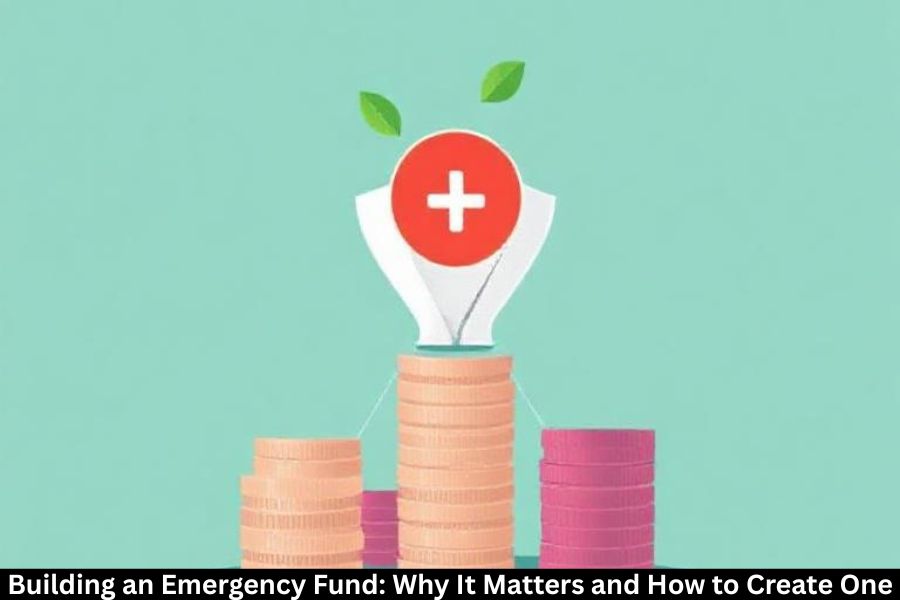
What Is an Emergency Fund?
An emergency fund is a financial safety net designed to help you get through unexpected situations without falling into debt. It’s money you set aside strictly for emergencies—those sudden events that life throws at you when you least expect it.
Why Everyone Needs One
Life is unpredictable. Whether it’s a medical bill, a job loss, or a car breakdown, an emergency fund protects you from financial stress. It gives you peace of mind and helps you avoid loans, credit cards, and unnecessary financial strain.
Importance of an Emergency Fund
Protects You from Unexpected Expenses
Unexpected expenses can pop up anytime. Without savings, you may have to borrow money, cut essential spending, or make difficult choices. An emergency fund acts like a cushion.
Prevents Debt Accumulation
When emergencies hit and you don’t have savings, credit cards or loans become the quick fix. An emergency fund helps you avoid high-interest debt that can be hard to escape.
Provides Mental and Financial Stability
Knowing you have a financial backup reduces anxiety. It allows you to handle emergencies calmly rather than panicking.
Helps You Stay on Track with Your Goals
Without a backup fund, you may be forced to use savings meant for other goals like education, travel, or buying a home. An emergency fund keeps your long-term goals safe.
How Much Should You Save?
Rule of Thumb: 3–6 Months of Expenses
Most experts suggest saving enough to cover at least 3–6 months of essential expenses: rent, food, utilities, insurance, and transportation.
Factors That Influence Your Target Amount
Job Stability
If you have a stable job, three months may be enough. Freelancers or gig workers should consider saving more.
Family Size
A single person may need less, while a family with kids would require a larger safety net.
Health Conditions
Regular medical needs mean you should save more to be prepared.
Lifestyle and Monthly Commitments
Higher expenses require a larger emergency fund.
Steps to Create an Emergency Fund
Assess Your Monthly Expenses
List all essential expenses. This helps you understand how much money you need to survive if an emergency occurs.
Set a Realistic Savings Goal
Start small. Saving even $10 or ₹500 per week adds up over time. The key is consistency.
Choose the Right Place to Keep It
Savings Accounts
These offer easy access to your money and are a safe option.
Money Market Accounts
These accounts offer higher interest but may require a higher minimum balance.
High-Yield Savings Accounts
These provide better interest rates, allowing your emergency fund to grow faster.
Automate Your Savings
Set up automatic transfers so a portion of your paycheck goes directly into your emergency fund.
Cut Unnecessary Spending
Review your subscriptions, online shopping habits, and non-essential expenses. Even small cuts can make a big difference.
Increase Your Income
Take up freelance work, part-time jobs, or monetizable hobbies. The extra income can speed up your savings.
Smart Tips to Grow Your Emergency Fund
Save Windfalls and Bonuses
Tax refunds, bonuses, or gifts can give your emergency fund a big boost.
Reduce Subscriptions
Many people pay for services they don’t use. Cancel or downgrade unused subscriptions.
Track Your Progress
Regularly check your savings growth. This keeps you motivated.
Avoid Touching It for Non-Emergencies
Treat your emergency fund like a glass box—visible but not easily reachable.
Common Emergency Fund Mistakes
Keeping It in Unsafe or Inaccessible Places
Avoid keeping large sums at home or in investments that take time to access.
Confusing Wants with Emergencies
A vacation or a new gadget is not an emergency. Stick to true financial emergencies only.
Not Updating Your Fund as Life Changes
As your expenses rise, your emergency fund should grow too.
What Counts as a Real Emergency?
Medical Emergencies
Unexpected medical bills can be costly. An emergency fund helps reduce financial stress during health crises.
Job Loss or Pay Cuts
Losing your income can be scary, but having savings makes the transition smoother.
Urgent Home or Car Repairs
If your vehicle breaks down or you have a plumbing leak, immediate repair is essential.
Critical Family Needs
Supporting a family member in an urgent situation can require quick access to funds.
Conclusion
Building an emergency fund is one of the smartest financial decisions you can make. It offers security, reduces stress, and keeps you from falling into debt when life takes an unexpected turn. Start small, stay consistent, and gradually build a safety net that protects your financial future.
FAQs
How long does it take to build an emergency fund?
It depends on your income and savings rate. With consistency, you can build a solid fund in months.
Where should I keep my emergency fund?
High-yield savings accounts or money market accounts are ideal—they offer safety and quick access.
Can I invest my emergency fund?
No, your emergency fund should be kept in a low-risk, easily accessible place.
What if I can’t save much every month?
Start small. Even saving a little consistently adds up over time.
Should I refill my emergency fund after using it?
Yes! Refill it as soon as possible to stay prepared for future emergencies.

Your point of view caught my eye and was very interesting. Thanks. I have a question for you.
I don’t think the title of your article matches the content lol. Just kidding, mainly because I had some doubts after reading the article.
I don’t think the title of your article matches the content lol. Just kidding, mainly because I had some doubts after reading the article.
Thank you for your sharing. I am worried that I lack creative ideas. It is your article that makes me full of hope. Thank you. But, I have a question, can you help me? https://accounts.binance.info/en/register-person?ref=JHQQKNKN
Thanks for sharing. I read many of your blog posts, cool, your blog is very good.
Your point of view caught my eye and was very interesting. Thanks. I have a question for you.
Can you be more specific about the content of your article? After reading it, I still have some doubts. Hope you can help me. https://accounts.binance.info/register-person?ref=IXBIAFVY
Thank you for your sharing. I am worried that I lack creative ideas. It is your article that makes me full of hope. Thank you. But, I have a question, can you help me? https://accounts.binance.info/register-person?ref=IXBIAFVY
I don’t think the title of your article matches the content lol. Just kidding, mainly because I had some doubts after reading the article.
Can you be more specific about the content of your article? After reading it, I still have some doubts. Hope you can help me. https://accounts.binance.com/cs/register-person?ref=OMM3XK51
I don’t think the title of your article matches the content lol. Just kidding, mainly because I had some doubts after reading the article.
мебельная фабрика Мод на мебель обновляет интерьер без ремонта.
I don’t think the title of your article matches the content lol. Just kidding, mainly because I had some doubts after reading the article.
Your article helped me a lot, is there any more related content? Thanks! https://www.binance.com/register?ref=IHJUI7TF
Thank you for your sharing. I am worried that I lack creative ideas. It is your article that makes me full of hope. Thank you. But, I have a question, can you help me?
Your article helped me a lot, is there any more related content? Thanks!
Your point of view caught my eye and was very interesting. Thanks. I have a question for you.
Analysts note that structured betting markets can help detect irregular match patterns, reinforcing anti-corruption efforts.
I don’t think the title of your article matches the content lol. Just kidding, mainly because I had some doubts after reading the article.
Your article helped me a lot, is there any more related content? Thanks! https://accounts.binance.com/ru-UA/register-person?ref=JVDCDCK4
Thanks for sharing. I read many of your blog posts, cool, your blog is very good. https://accounts.binance.com/register-person?ref=JW3W4Y3A
Your article helped me a lot, is there any more related content? Thanks! https://www.binance.info/register?ref=JW3W4Y3A
I don’t think the title of your article matches the content lol. Just kidding, mainly because I had some doubts after reading the article.
Can you be more specific about the content of your article? After reading it, I still have some doubts. Hope you can help me. https://www.binance.com/join?ref=QCGZMHR6