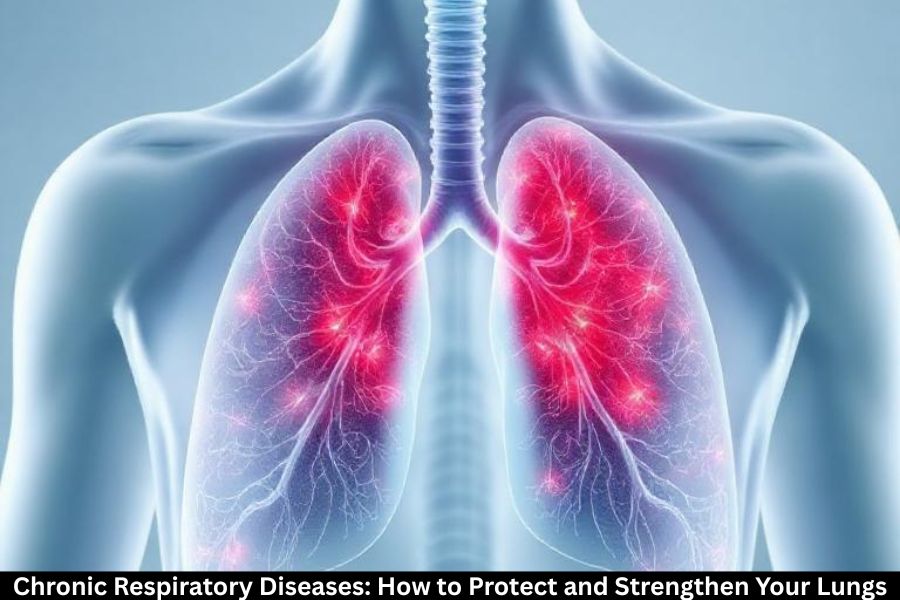
Chronic respiratory diseases (CRDs) affect millions of people across the world, often making it difficult to breathe, stay active, and live life comfortably. While CRDs can be long-lasting or progressive, the good news is that many of them can be prevented or effectively managed with the right lifestyle choices and medical care.
Let’s explore what CRDs are, how they affect your health, and the powerful steps you can take to protect and strengthen your lungs.
Understanding Chronic Respiratory Diseases (CRDs)
What Are CRDs?
Chronic respiratory diseases are long-term conditions that affect the airways and structures of the lungs. These diseases usually worsen over time, especially without proper treatment.
Most Common Types of CRDs
Asthma
A condition in which airways become inflamed and narrow, making it difficult to breathe.
Chronic Obstructive Pulmonary Disease (COPD)
A progressive disease that includes chronic bronchitis and emphysema. It limits airflow and makes breathing harder.
Pulmonary Fibrosis
A disease where lung tissue becomes thick and scarred, reducing lung function.
Chronic Bronchitis
Long-term inflammation of the bronchial tubes causing a persistent cough and mucus buildup.
What Causes Chronic Respiratory Diseases?
Smoking and Tobacco Exposure
Smoking is the leading cause of respiratory diseases. Even secondhand smoke can damage your lungs.
Air Pollution
Smog, dust, and chemical fumes can irritate and weaken your lungs.
Workplace Exposure
Exposure to chemicals, dust, asbestos, or smoke increases your risk.
Genetics
Some respiratory issues run in families.
Infections
Frequent respiratory infections can lead to long-term lung damage.
Early Signs and Symptoms
Persistent Cough
A cough lasting more than a few weeks should not be ignored.
Shortness of Breath
Feeling breathless even during light activities is a major red flag.
Wheezing
A whistling sound during breathing indicates airway blockage.
Chest Tightness
Discomfort or pressure in the chest can signal a respiratory problem.
Fatigue
Low oxygen levels can make you feel tired and weak.
How CRDs Impact Your Daily Life
Reduced Physical Activity
Breathing difficulties can limit your ability to exercise or even perform daily tasks.
Frequent Infections
Weaker lungs make you more prone to colds, flu, and viral infections.
Sleep Disturbances
Shortness of breath or coughing can interfere with good-quality sleep.
Mental Health Effects
Living with chronic illness can lead to stress, anxiety, and depression.
Diagnosing Chronic Respiratory Diseases
Lung Function Tests
Spirometry tests measure how much air you can inhale and exhale—crucial for diagnosing CRDs.
Chest X-rays and CT Scans
These imaging tests help doctors check for lung damage.
Medical History and Physical Exams
Symptoms, lifestyle habits, and health history provide important clues.
Effective Ways to Protect Your Lungs
Avoid Smoking and Secondhand Smoke
This is the number one step to preventing lung diseases.
Reduce Exposure to Pollutants
Use air purifiers, avoid heavy traffic areas, and wear masks when necessary.
Follow a Lung-Healthy Diet
Antioxidant-Rich Foods
Blueberries, leafy greens, turmeric, and nuts protect lung tissue.
Hydration
Staying hydrated helps keep mucus thin and easier to expel.
Stay Physically Active
Even moderate exercise improves lung capacity and strengthens respiratory muscles.
Practice Proper Breathing Techniques
Breathing exercises help improve airflow and lung efficiency.
Strengthening Your Lungs Naturally
Breathing Exercises
Diaphragmatic Breathing
Helps you use your diaphragm more efficiently.
Pursed-Lip Breathing
Controls breath and improves oxygen exchange.
Regular Cardiovascular Exercise
Walking, swimming, cycling, and jogging strengthen your lungs over time.
Maintaining Healthy Body Weight
Extra weight puts pressure on your lungs and makes breathing more difficult.
Medical Management and Treatment Options
Medications
Bronchodilators, steroids, and anti-inflammatory medicines help manage symptoms.
Inhalers and Nebulizers
Provide fast relief during breathing difficulties.
Pulmonary Rehabilitation
A structured program to strengthen lungs and improve quality of life.
Oxygen Therapy
For people with severely reduced oxygen levels.
Preventing CRDs Before They Start
Vaccinations
Flu and pneumonia vaccines help protect vulnerable lungs.
Clean Indoor Air
Keep your home dust-free and well-ventilated.
Early Screening for High-Risk Individuals
Especially important if you smoke or work in polluted environments.
Living with CRDs
Building a Support System
Support from family, friends, and healthcare providers makes daily management easier.
Managing Stress
Stress can worsen respiratory symptoms. Practice meditation, yoga, or hobbies you enjoy.
Staying Educated and Proactive
Learn your triggers, follow your treatment plan, and attend regular check-ups.
Conclusion
Your lungs work tirelessly every second to keep you alive—and they deserve your care. Whether you want to prevent chronic respiratory diseases or manage existing conditions, simple but consistent lifestyle changes can make a powerful difference. Protecting your lungs today ensures a healthier, easier-breathing future.
FAQs
What are the most common chronic respiratory diseases?
Asthma, COPD, pulmonary fibrosis, and chronic bronchitis.
How can I strengthen my lungs naturally?
Regular exercise, breathing exercises, and a healthy diet help strengthen your lungs.
What symptoms should I watch out for?
Persistent cough, wheezing, breathlessness, and chest tightness.
Can chronic respiratory diseases be cured?
They can usually be managed but not fully cured. Early treatment helps prevent progression.
How can I improve air quality at home?
Use air purifiers, avoid smoking indoors, and keep your home clean and well-ventilated.

Thank you for your sharing. I am worried that I lack creative ideas. It is your article that makes me full of hope. Thank you. But, I have a question, can you help me?
Your point of view caught my eye and was very interesting. Thanks. I have a question for you.
Can you be more specific about the content of your article? After reading it, I still have some doubts. Hope you can help me.
need a video? milan production house offering full-cycle services: concept, scripting, filming, editing and post-production. Commercials, corporate videos, social media content and branded storytelling. Professional crew, modern equipment and a creative approach tailored to your goals.
Продажа тяговых https://faamru.com аккумуляторных батарей для вилочных погрузчиков, ричтраков, электротележек и штабелеров. Решения для интенсивной складской работы: стабильная мощность, долгий ресурс, надёжная работа в сменном режиме, помощь с подбором АКБ по параметрам техники и оперативная поставка под задачу
Продажа тяговых https://ab-resurs.ru аккумуляторных батарей для вилочных погрузчиков и штабелеров. Надёжные решения для стабильной работы складской техники: большой выбор АКБ, профессиональный подбор по параметрам, консультации специалистов, гарантия и оперативная поставка для складов и производств по всей России
Все актуальные адреса здесь на кракен тут ссылка рабочая сегодня для безопасного входа на маркетплейс
Продажа тяговых ab-resurs.ru аккумуляторных батарей для вилочных погрузчиков и штабелеров. Надёжные решения для стабильной работы складской техники: большой выбор АКБ, профессиональный подбор по параметрам, консультации специалистов, гарантия и оперативная поставка для складов и производств по всей России
Продажа тяговых faamru.com аккумуляторных батарей для вилочных погрузчиков, ричтраков, электротележек и штабелеров. Решения для интенсивной складской работы: стабильная мощность, долгий ресурс, надёжная работа в сменном режиме, помощь с подбором АКБ по параметрам техники и оперативная поставка под задачу
Thanks for sharing. I read many of your blog posts, cool, your blog is very good. https://www.binance.com/zh-CN/register?ref=WFZUU6SI
cpbl粉絲必備的官方認證資訊平台,24小時不間斷提供官方cpbl新聞、球員數據分析,以及專業的比賽預測。
Thanks for sharing. I read many of your blog posts, cool, your blog is very good. https://accounts.binance.info/en-NG/register?ref=YY80CKRN
Your point of view caught my eye and was very interesting. Thanks. I have a question for you.
Thank you for your sharing. I am worried that I lack creative ideas. It is your article that makes me full of hope. Thank you. But, I have a question, can you help me?
Can you be more specific about the content of your article? After reading it, I still have some doubts. Hope you can help me.
I seriously love your site.. Pleasant colors & theme. Did you create this website yourself? Please reply back as I’m hoping to create my own site and would like to find out where you got this from or exactly what the theme is named. Kudos!
Can you be more specific about the content of your article? After reading it, I still have some doubts. Hope you can help me.
真实的人类第三季高清完整官方版,海外华人可免费观看最新热播剧集。
There is definately a lot to learn about this topic. I like all the points you made.
шумоизоляция арок авто
авто шиномонтаж выездной https://vyezdnoj-shinomontazh-77.ru
Your point of view caught my eye and was very interesting. Thanks. I have a question for you.
dkagay
Your point of view caught my eye and was very interesting. Thanks. I have a question for you.
Greate post. Keep writing such kind of information on your page. Im really impressed by your blog
I pay a visit each day some websites and sites to read posts, however this web site presents quality based articles.
jufp4z
Hi, I do think this is a great site. I stumbledupon it 😉 I may revisit once again since I book marked it. Money and freedom is the best way to change, may you be rich and continue to help others.
Terrific work! This is the type of info that should be shared across the net. Shame on the search engines for no longer positioning this submit upper! Come on over and seek advice from my website . Thanks =)
For those seeking an exceptional online gaming experience, us.com](https://maxispin.us.com/) stands out as a premier destination. At Maxispin Casino, players can enjoy a vast array of pokies, table games, and other thrilling options, all accessible in both demo and real-money modes. The casino offers attractive bonuses, including free spins and a generous welcome offer, along with cashback promotions and engaging tournaments. To ensure a seamless experience, Maxispin provides various payment methods, efficient withdrawal processes, and reliable customer support through live chat. Security is a top priority, with robust safety measures and a strong focus on responsible gambling tools. Players can easily navigate the site, with detailed guides on account creation, verification, and payment methods. Whether you’re interested in high RTP slots, hold and win pokies, or the latest slot releases, Maxispin Casino delivers a user-friendly and secure platform. Explore their terms and conditions, read reviews, and discover why many consider Maxispin a legitimate and trustworthy choice in Australia.
The platform is user-friendly, making it accessible to everyone.
**Features of MaxiSpin.us.com**
MaxiSpin.us.com boasts the ability to generate content in multiple languages as one of its key features.
**Benefits of Using MaxiSpin.us.com**
Businesses benefit greatly from MaxiSpin.us.com as it streamlines the process of creating content.
Thank you for your sharing. I am worried that I lack creative ideas. It is your article that makes me full of hope. Thank you. But, I have a question, can you help me? https://www.binance.info/register?ref=IXBIAFVY
It’s going to be end of mine day, except before end I am reading this great article to improve my know-how.
Hi! I just wanted to ask if you ever have any problems with hackers? My last blog (wordpress) was hacked and I ended up losing a few months of hard work due to no data backup. Do you have any methods to stop hackers?
It’s fantastic that you are getting ideas from this piece of writing as well as from our discussion made at this place.
Can you be more specific about the content of your article? After reading it, I still have some doubts. Hope you can help me.
Can you be more specific about the content of your article? After reading it, I still have some doubts. Hope you can help me.
Your point of view caught my eye and was very interesting. Thanks. I have a question for you. https://accounts.binance.info/register-person?ref=QCGZMHR6
накрутка подписчиков в Телеграм
Sprawdz poradnik system fpv analogowy czy cyfrowy, jesli szukasz najlepszych wskazowek przy wyborze kamery FPV na start.
Systematyczna konserwacja i aktualizacje firmware’u zapewniaja stabilne dzialanie urzadzenia.
Hi, I do think this is a great blog. I stumbledupon it 😉 I will revisit yet again since I book marked it. Money and freedom is the greatest way to change, may you be rich and continue to guide others.
Hey there! I could have sworn I’ve been to this website before but after reading through some of the post I realized it’s new to me. Anyways, I’m definitely happy I found it and I’ll be bookmarking and checking back frequently!
Thanks , I have recently been looking for info about this subject for a while and yours is the best I’ve came upon till now. But, what about the bottom line? Are you sure about the source?
Thanks for sharing. I read many of your blog posts, cool, your blog is very good.
Your article helped me a lot, is there any more related content? Thanks!
Thank you for your sharing. I am worried that I lack creative ideas. It is your article that makes me full of hope. Thank you. But, I have a question, can you help me?
Heya i’m for the first time here. I found this board and I to find It truly helpful & it helped me out a lot. I am hoping to give one thing back and help others such as you helped me.
Hello, i think that i noticed you visited my weblog so i came to go back the prefer?.I’m attempting to to find issues to enhance my web site!I assume its adequate to make use of a few of your ideas!!
It’s a pity you don’t have a donate button! I’d without a doubt donate to this fantastic blog! I suppose for now i’ll settle for book-marking and adding your RSS feed to my Google account. I look forward to brand new updates and will share this site with my Facebook group. Chat soon!