Why Digestive Health Matters
Your digestive system plays a vital role in your overall well-being. It’s responsible not only for breaking down food and absorbing nutrients but also for supporting your immune system and even influencing your mood. When your gut isn’t functioning properly, it can affect every part of your life—from your energy levels to your mental health.
Digestive issues have become increasingly common, thanks to modern diets, stress-filled lifestyles, and environmental factors. The good news? Most digestive problems can be improved with simple lifestyle and dietary changes. Let’s dive into the most common digestive health issues and explore how to improve gut health naturally.
Understanding the Digestive System
How the Gut Works
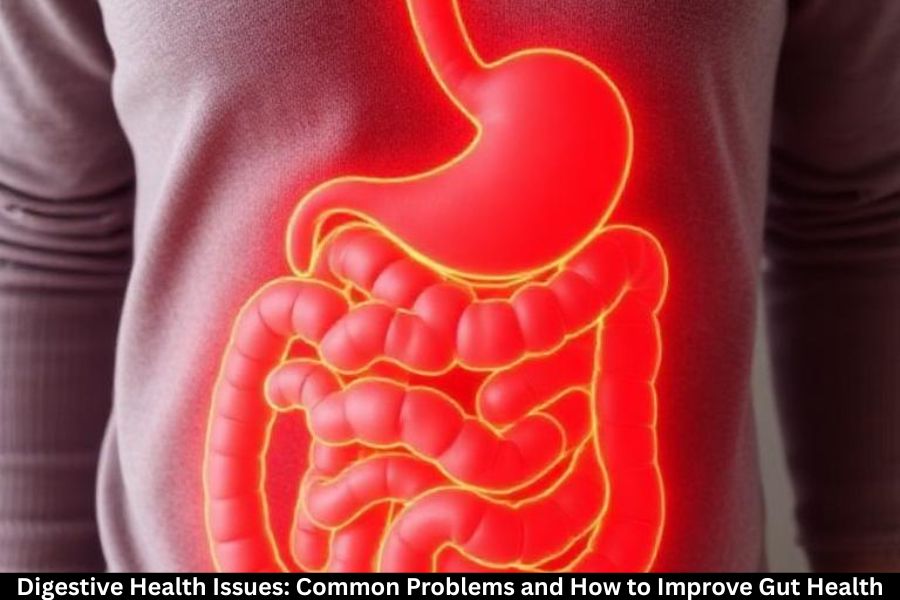
Your digestive system works like a well-organized highway, moving food from your mouth through your stomach and intestines, absorbing nutrients along the way and getting rid of waste. Each organ plays a specific role, ensuring your body gets what it needs to function.
The Role of the Gut Microbiome
Inside your gut lives a community of trillions of microorganisms known as the gut microbiome. These bacteria help with digestion, support immune function, and even influence your brain through the gut-brain connection. A healthy microbiome means a healthy gut—and a healthier you.
Common Digestive Health Issues
Acid Reflux and GERD
Acid reflux happens when stomach acid flows back into the esophagus, causing a burning sensation. Chronic acid reflux can lead to gastroesophageal reflux disease (GERD), which requires long-term management.
Irritable Bowel Syndrome (IBS)
IBS is a common condition that causes abdominal pain, bloating, gas, diarrhea, and constipation. While the exact cause is unknown, stress and diet often play major roles.
Constipation
If you struggle to have regular bowel movements, you’re not alone. Constipation can be caused by low fiber intake, dehydration, or a sedentary lifestyle.
Diarrhea
Diarrhea can be triggered by infections, food intolerances, or digestive disorders. It often results in dehydration and requires proper fluid replacement.
Food Intolerances and Allergies
Lactose intolerance, gluten sensitivity, and other food-related issues can wreak havoc on your digestive system. Identifying trigger foods is key to managing symptoms.
Inflammatory Bowel Disease (IBD)
IBD includes Crohn’s disease and ulcerative colitis—serious autoimmune conditions that cause chronic inflammation in the digestive tract. These conditions often require medical treatment.
Causes and Triggers of Digestive Problems
Poor Diet
Processed foods, sugary drinks, artificial additives, and low-fiber meals can disrupt your digestion. A gut-unfriendly diet is one of the biggest culprits behind digestive issues.
Stress and Mental Health
Your gut and brain are closely connected. Stress can slow digestion, increase stomach acid, and trigger IBS symptoms. Managing stress is essential for gut comfort.
Lack of Physical Activity
Sitting too much can slow your digestive system. Regular movement helps food pass smoothly through the intestines.
Medications
Antibiotics, painkillers, and certain supplements can disrupt your gut microbiome and irritate the digestive tract.
Hormonal Changes
Hormones play a role too—especially in women. Menstrual cycles, pregnancy, and menopause can all impact gut function.
How to Improve Gut Health
Eat a Balanced, Gut-Friendly Diet
Fiber-Rich Foods
Fiber feeds the good bacteria in your gut and keeps digestion moving. Foods like oats, apples, beans, and leafy greens are excellent sources.
Probiotics and Prebiotics
Probiotics are “good bacteria,” while prebiotics are the food these bacteria thrive on. Yogurt, kefir, kimchi, garlic, bananas, and onions are great choices.
Stay Hydrated
Water is essential for digestion. It helps break down food and prevents constipation. Aim for at least 6–8 cups a day.
Manage Stress
Meditation, deep breathing, yoga, or even a quiet walk can help calm your nervous system and ease digestive discomfort.
Get Regular Exercise
Movement promotes healthy digestion. Even a simple 20-minute walk after meals can make a huge difference.
Prioritize Sleep
Poor sleep affects digestion and increases stress. Getting 7–9 hours of quality sleep helps your gut repair and rebalance.
Avoid Overuse of Antibiotics
Antibiotics can wipe out both harmful and beneficial gut bacteria. Use them only when necessary and under medical supervision.
Home Remedies for Common Digestive Issues
Ginger and Herbal Teas
Ginger tea can ease nausea and aid digestion. Herbal teas like chamomile or peppermint can soothe the stomach.
Warm Water and Lemon
A simple glass of warm lemon water in the morning can stimulate digestion and support detoxification.
Peppermint for IBS
Peppermint is known to relax intestinal muscles, helping reduce IBS-related pain and bloating.
When to See a Doctor
While most digestive issues can be managed at home, persistent symptoms like severe pain, blood in the stool, unintentional weight loss, or prolonged diarrhea require medical attention. Early diagnosis can prevent serious complications.
Conclusion
Digestive health plays a huge role in your energy levels, immunity, and overall well-being. While digestive issues are common, they don’t have to control your life. With healthier food choices, stress management, exercise, and mindful habits, you can support your gut and feel your best every day.
Your gut has a powerful story to tell—listen to it, nourish it, and it will reward you with better health.
FAQs
What are the signs of an unhealthy gut?
Common signs include bloating, gas, constipation, diarrhea, fatigue, and food intolerances.
Can probiotics really improve gut health?
Yes, probiotics help balance gut bacteria and can improve digestion, immunity, and even mood.
How much fiber should I eat daily?
Most adults should aim for 25–30 grams of fiber per day.
Does stress affect digestion?
Absolutely. Stress can cause stomachaches, slow digestion, and trigger IBS symptoms.
5. What foods should I avoid for better gut health?
Limit processed foods, excessive sugar, alcohol, fried foods, and artificial additives.



اگر از نسخه رایگان تریدینگویو استفاده کرده باشید، میدونید چقدر محدودیت داره. با خرید اکانت اورجینال و اختصاصی تریدینگ ویو پرمیوم از شوپی تمام امکانات مثل چند چارت همزمان، هشدارهای بیشتر، و تایمفریم سفارشی آزاد میشن. تجربهای روان و کاملاً مقرونبهصرفه برای تریدرهای واقعی.
اگر دنبال مدرک شناسایی معتبر از کشورهای مختلف باشید، گرافیسو بهترین گزینه است. با استفاده از سرویس آی دی کارت کشورهای مختلف میتونید مدرک واقعی با طراحی و جزئیات اصلی دریافت کنید. مدارک بهصورت اختصاصی و با اطلاعات شخصی شما ساخته میشن و از نظر ظاهری کاملاً با نسخه رسمی کشور مقصد یکی هستن. دقت گرافیسو در جزئیات واقعاً بینظیره.
Injury time goals, dramatic late winners and equalizers tracked live
ns76sm
75iugn
lhfbbf
生命树2026 海外华人高原守护剧 杨紫胡歌主演 高清燃哭剧情 AI匹配