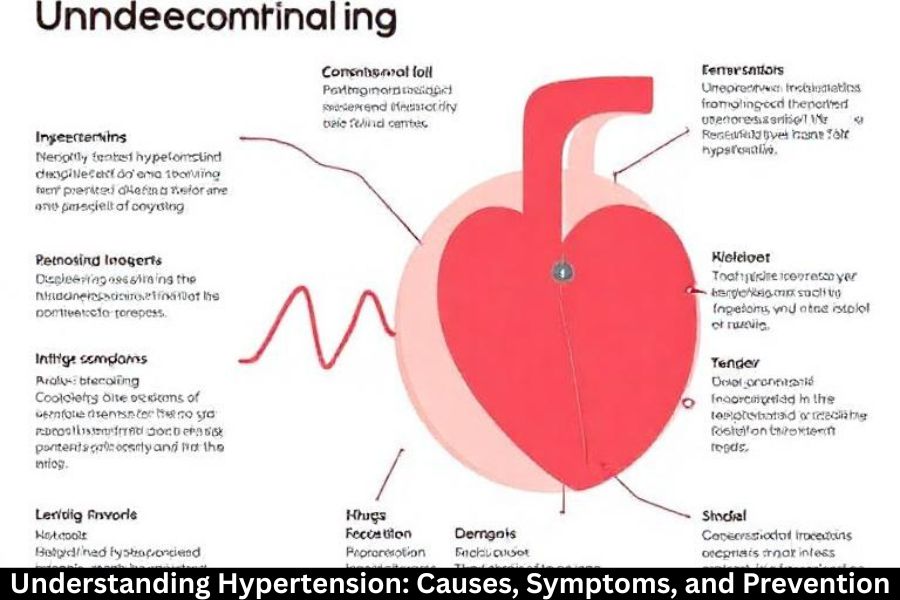
Hypertension—often called high blood pressure—is one of the most common health conditions worldwide. Yet, many people don’t even know they have it. That’s what makes hypertension so dangerous. It quietly damages your body over time, increasing your risk of serious health problems like heart disease, stroke, and kidney failure.
This guide breaks down hypertension in clear, simple terms so you understand what it is, what causes it, how to recognize the symptoms, and most importantly—how to prevent it.
What Is Hypertension?
The Meaning of Blood Pressure
Blood pressure is the force your blood applies against your artery walls. It has two numbers:
- Systolic pressure (top number): Pressure when the heart beats.
- Diastolic pressure (bottom number): Pressure when the heart rests.
A healthy blood pressure is usually around 120/80 mmHg. Anything consistently higher may indicate hypertension.
Types of Hypertension
Primary (Essential) Hypertension
This develops gradually over years and has no single identifiable cause. Lifestyle and genetics often play a major role.
Secondary Hypertension
This type is caused by underlying medical conditions such as thyroid issues, kidney disease, hormonal disorders, or certain medications.
What Causes Hypertension?
Genetic Factors
If your parents or grandparents had high blood pressure, your chances increase.
Unhealthy Diet
Too much salt, fried foods, processed snacks, and sugary drinks can raise your blood pressure.
Lack of Physical Activity
A sedentary lifestyle weakens your heart and causes weight gain—both contributors to hypertension.
Stress and Mental Health
Chronic stress triggers hormonal changes that raise blood pressure.
Medical Conditions
Conditions such as diabetes, kidney disease, and sleep apnea can lead to high blood pressure.
Medications and Substances
Certain medicines, alcohol, and tobacco use can significantly elevate blood pressure levels.
Common Symptoms of Hypertension
The “Silent Killer”
Hypertension doesn’t always show symptoms. Many people feel perfectly fine while their blood pressure quietly rises.
Headaches
Especially morning headaches are common in people with high blood pressure.
Dizziness
Lightheadedness can signal dangerously high blood pressure levels.
Chest Pain
A sign that hypertension may be affecting your heart.
Blurred Vision
High blood pressure can damage the blood vessels in the eyes.
Shortness of Breath
This can occur if hypertension impacts the heart or lungs.
Why Hypertension Is So Dangerous
Damage to Arteries
High pressure weakens arteries over time, making them stiff and narrow.
Increased Risk of Heart Attack and Stroke
Blocked or damaged arteries significantly raise your chances of these life-threatening events.
Kidney Damage
Hypertension is a leading cause of chronic kidney disease.
Vision Loss
Damaged eye vessels can lead to permanent vision problems.
Cognitive Decline
Hypertension can reduce blood flow to the brain, contributing to memory loss and dementia.
How Hypertension Is Diagnosed
Blood Pressure Readings
Consistent readings of 130/80 mmHg or higher usually indicate hypertension.
Ambulatory Monitoring
A wearable device that monitors your blood pressure throughout the day to identify patterns.
Routine Health Checkups
Regular checkups help detect hypertension early—even if you feel healthy.
Prevention Strategies for Hypertension
Healthy Eating Habits
Reduce Salt Intake
Too much sodium raises blood pressure. Avoid processed snacks and restaurant foods.
Eat More Fruits and Vegetables
These are rich in potassium, which helps balance sodium.
Choose Whole Grains
Whole grains improve heart health and maintain stable blood pressure.
Regular Physical Activity
Aim for at least 30 minutes of exercise five days a week. Walking, cycling, yoga, and swimming are excellent options.
Weight Management
Maintaining a healthy weight reduces pressure on your heart and arteries.
Managing Stress
Deep breathing, meditation, music, or hobbies can help lower stress levels.
Limiting Alcohol and Avoiding Smoking
Alcohol raises blood pressure and smoking damages arteries—avoid or limit both.
Regular Health Screenings
Check your blood pressure regularly, especially if you’re over 40 or have risk factors.
Treatment Options for Hypertension
Lifestyle Modifications
The first line of treatment is often small lifestyle changes—healthier eating, more activity, better sleep, and stress management.
Medications
Doctors may prescribe medications if lifestyle changes aren’t enough. These could include diuretics, ACE inhibitors, beta-blockers, or calcium channel blockers.
Monitoring Progress
Tracking your blood pressure at home helps ensure you’re staying within healthy limits.
Living with Hypertension
Daily Habits That Help
Eat home-cooked meals, stay active, drink plenty of water, and get enough sleep.
Building a Support System
Family and friends can help you manage lifestyle changes and stay motivated.
Long-Term Health Tips
Stay consistent with your routine, continue doctor checkups, and avoid skipping medications.
Conclusion
Hypertension may be common, but it’s far from harmless. It can affect every part of your body and lead to serious complications if left untreated. The good news? With the right lifestyle choices, early detection, and proper care, hypertension can be managed—and even prevented.
Your health is in your hands. Start making small changes today for a healthier tomorrow.
FAQs
What is the main cause of hypertension?
A combination of genetics, lifestyle choices, and medical conditions can cause high blood pressure.
Can hypertension be cured?
Hypertension can often be controlled, but it usually cannot be fully cured. Long-term management is key.
What foods should I avoid to control blood pressure?
Limit salt, fried foods, red meat, processed snacks, and sugary drinks.
How often should blood pressure be checked?
Adults should check it at least once every year—or more often if they have risk factors.
Does stress affect blood pressure?
Yes. Chronic stress can raise blood pressure levels over time.
Your article helped me a lot, is there any more related content? Thanks! https://www.binance.info/register?ref=IHJUI7TF
اطلاعات تکمیلی درباره کاپیتال پلاس عزیزی هد مدیریتی شرکت های خدماتی در ایران
Нужен трафик и лиды? авигрупп казань SEO-оптимизация, продвижение сайтов и реклама в Яндекс Директ: приводим целевой трафик и заявки. Аудит, семантика, контент, техническое SEO, настройка и ведение рекламы. Работаем на результат — рост лидов, продаж и позиций.
Your article helped me a lot, is there any more related content? Thanks! https://accounts.binance.com/da-DK/register?ref=V3MG69RO
Can you be more specific about the content of your article? After reading it, I still have some doubts. Hope you can help me.
Can you be more specific about the content of your article? After reading it, I still have some doubts. Hope you can help me. https://www.binance.com/register?ref=IXBIAFVY
I don’t think the title of your article matches the content lol. Just kidding, mainly because I had some doubts after reading the article.
Thanks for sharing. I read many of your blog posts, cool, your blog is very good.
Can you be more specific about the content of your article? After reading it, I still have some doubts. Hope you can help me. https://accounts.binance.info/ru/register-person?ref=O9XES6KU
sophxq
Thank you for your sharing. I am worried that I lack creative ideas. It is your article that makes me full of hope. Thank you. But, I have a question, can you help me? https://www.binance.info/en-ZA/register?ref=B4EPR6J0
fr6n7y
Thank you for your sharing. I am worried that I lack creative ideas. It is your article that makes me full of hope. Thank you. But, I have a question, can you help me?
Your article helped me a lot, is there any more related content? Thanks! https://www.binance.info/pl/register?ref=UM6SMJM3
I don’t think the title of your article matches the content lol. Just kidding, mainly because I had some doubts after reading the article.
Can you be more specific about the content of your article? After reading it, I still have some doubts. Hope you can help me.
Your point of view caught my eye and was very interesting. Thanks. I have a question for you.
Thanks for sharing. I read many of your blog posts, cool, your blog is very good.